Sheng Tiang Hong. Painter between Dusseldorf and Beijing
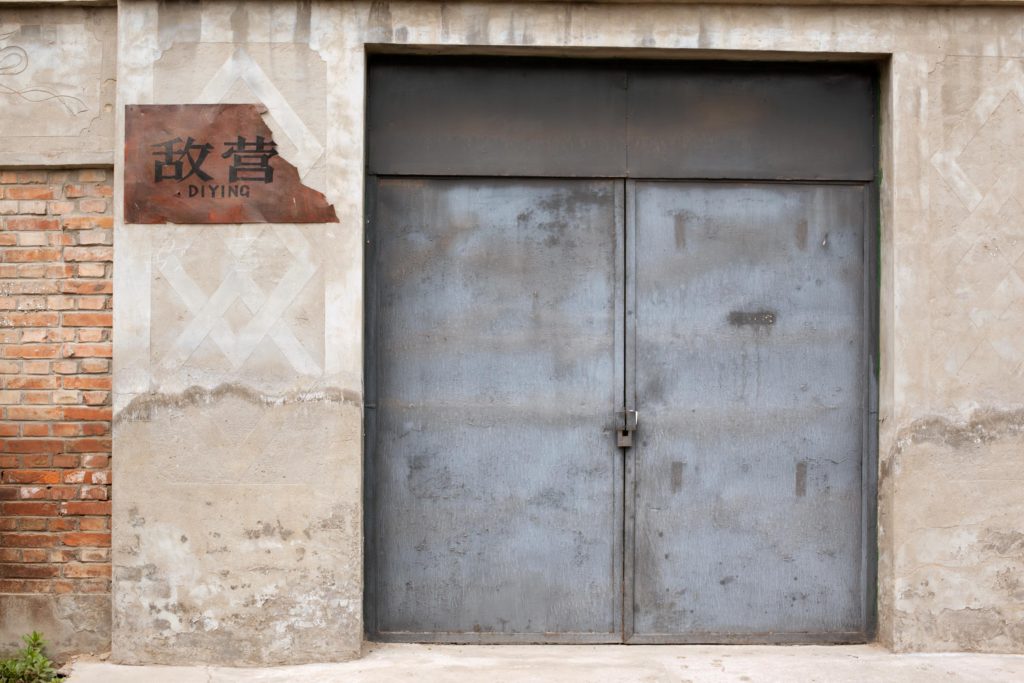
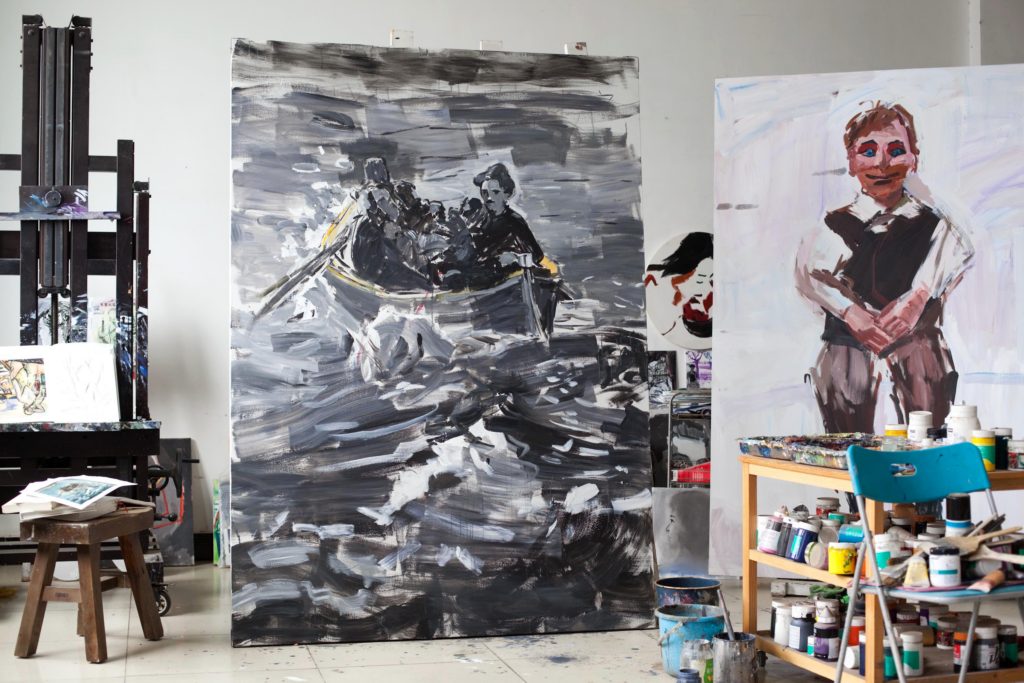
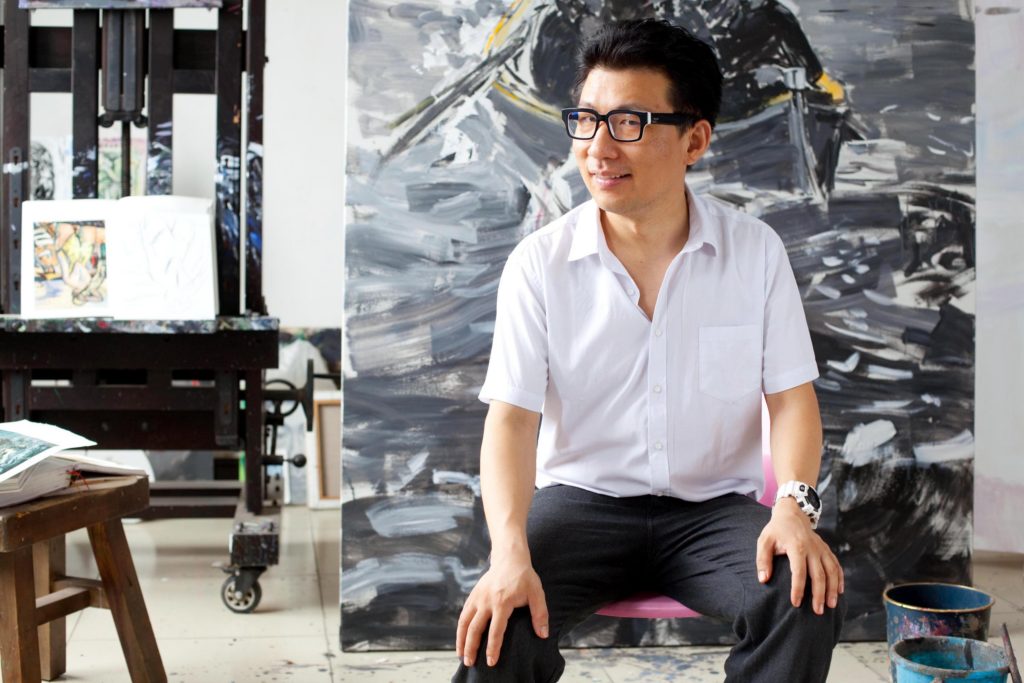
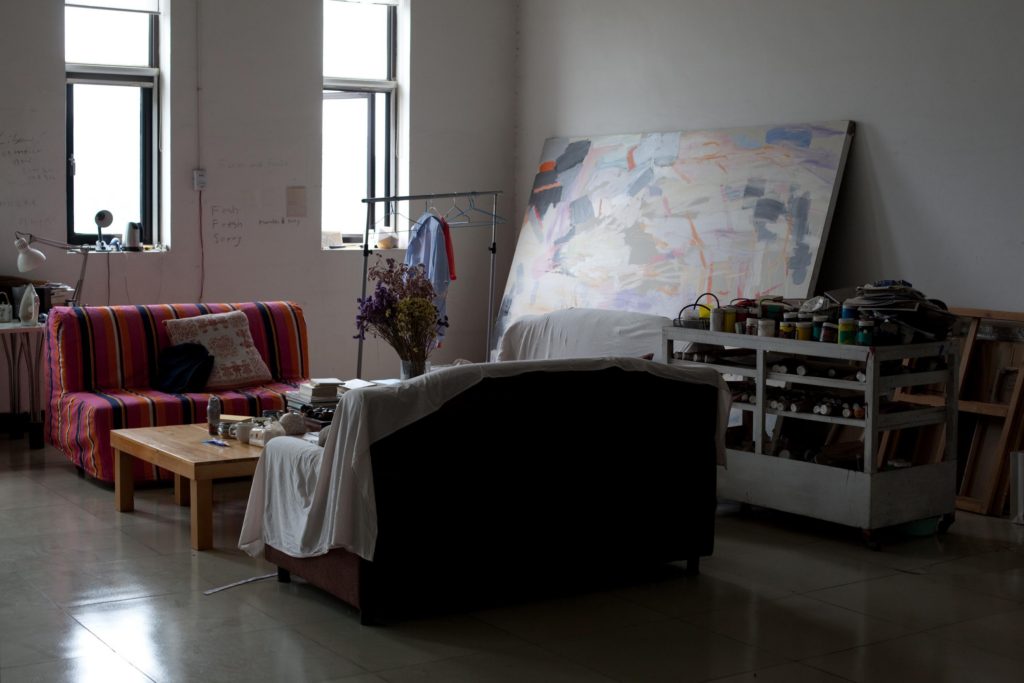
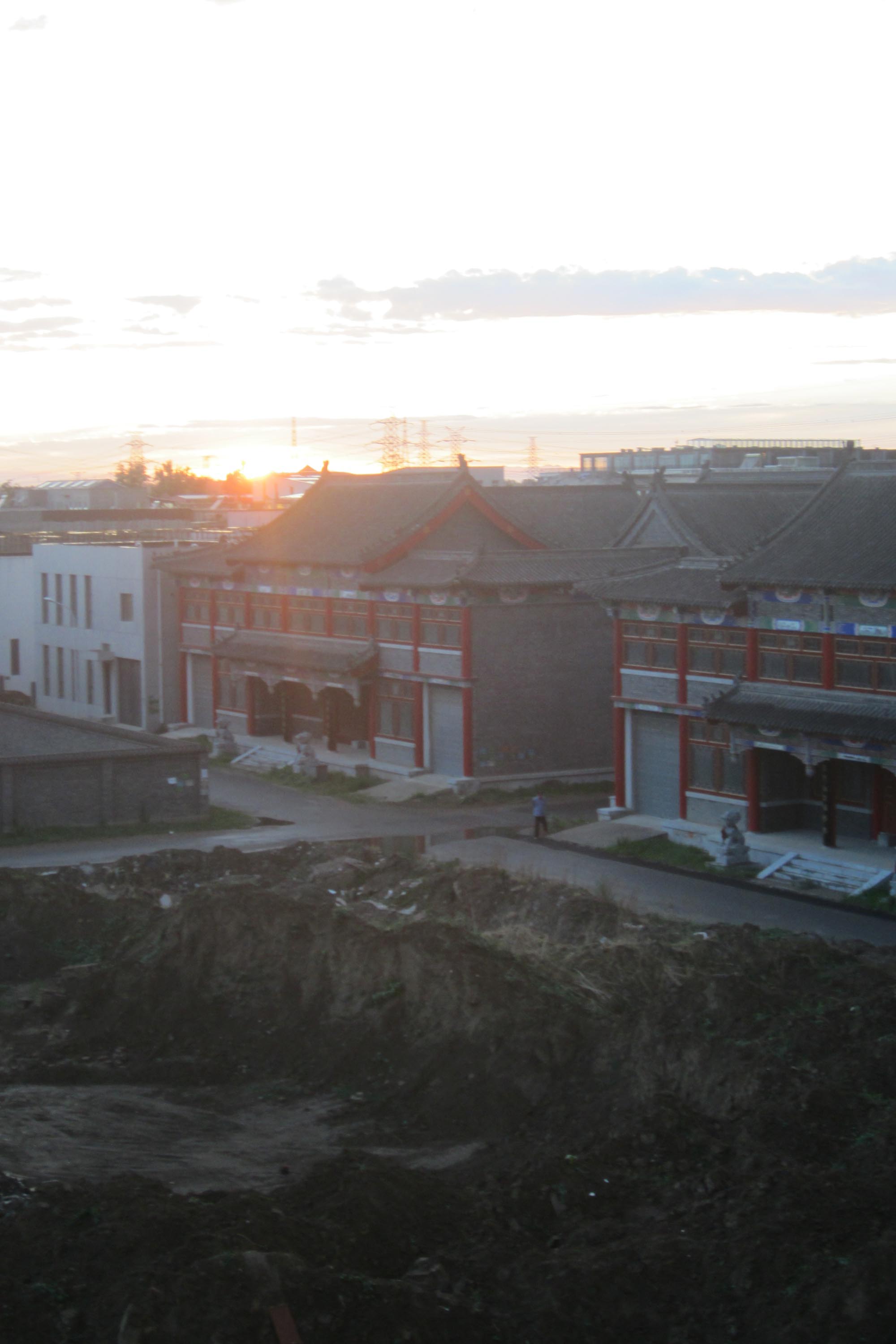
Sheng is a painter, he lives half of the year in Germany and half in China and his work puts one foot on each side. I visited him one morning in Songzhuang, a neighborhood in the suburbs of Beijing where the artists joined the local farmers and now they are more than two thousand. His studio consists of two huge plants in an industrial building a little desolate, opposite a railway. He is talkative, warm and extroverted. One of the few, among many other artists I met in the neighborhood, who speaks English and is steeped in Western issues. The rest seem to look at the West with an indifference without disdain, simply because they belong to a planet of its own, which spins in its own orbit with 1.3 billion people and does not feel the need to know who we are.
-What makes you jump out of bed every morning?
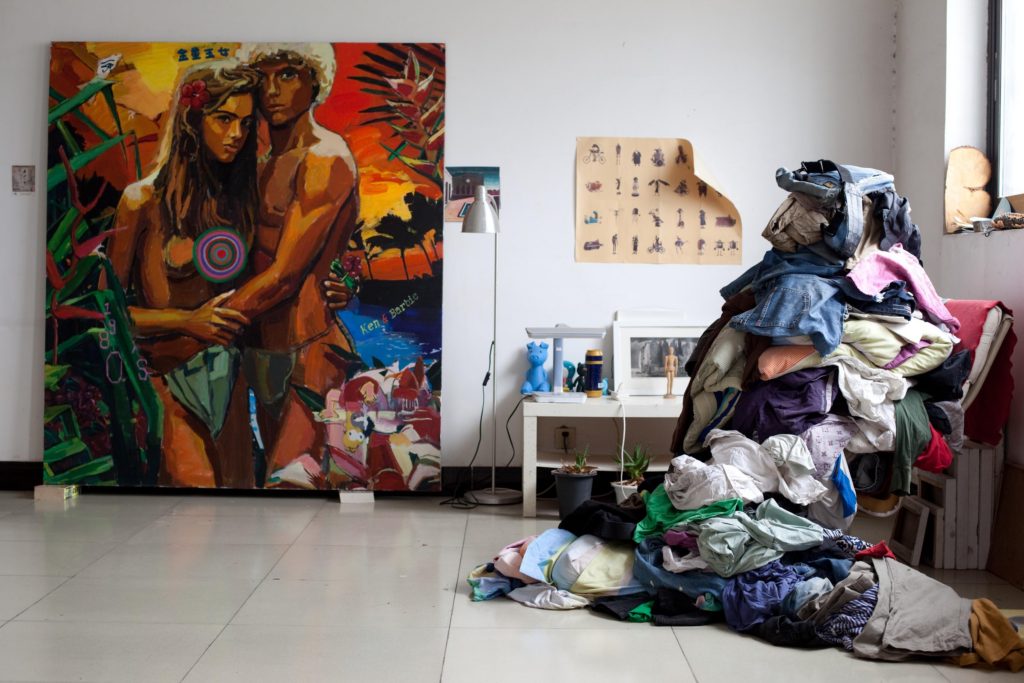
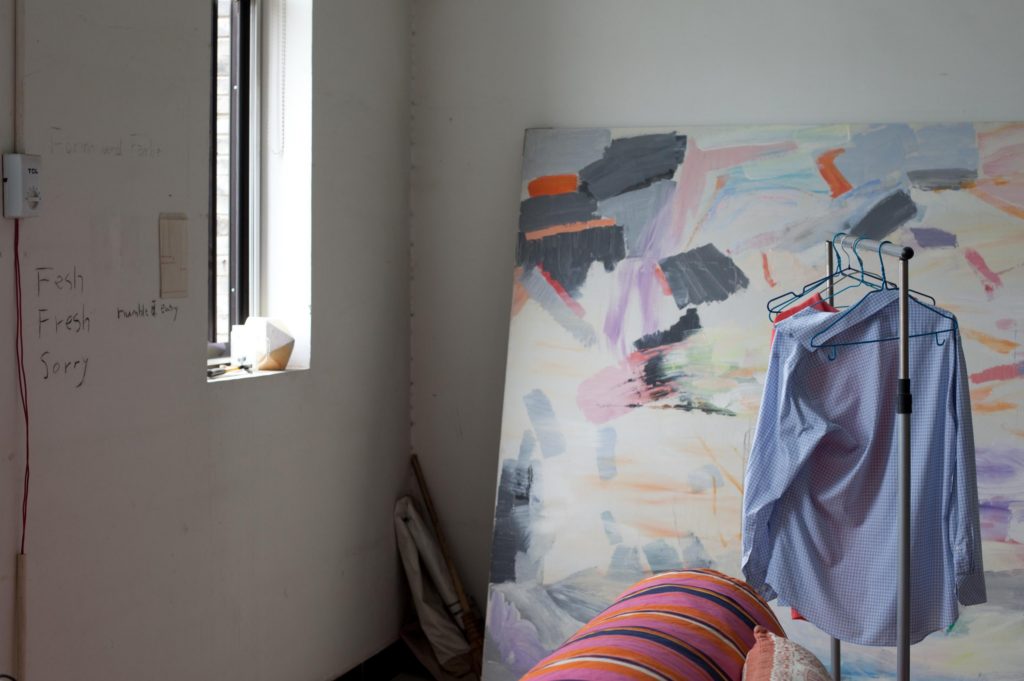
-I have been living in this studio for more than ten years, so the paintings that surround me are already part of my daily life. When I get up in the morning and go down from the second floor to the first, I find many unfinished paintings and I need to finish them: to work, think, work. It is a quite lonely situation, the place where I live and work are very similar to my brain.
-Who in your family are artists? How did they influence you?
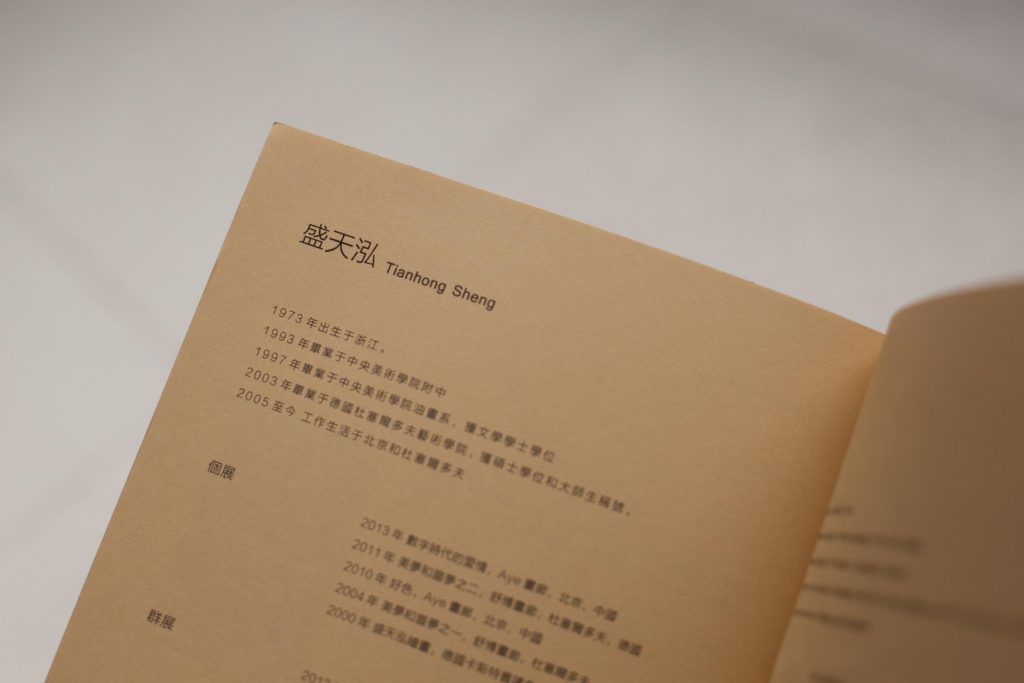
-My father and my older brother, they are traditional Chinese painters. I began to paint when I was 6 years-old by the Chinese way, that is, copying the old masters pieces. Then I grew up in the 80’s, the time when China opened the door, suddenly, the Western culture was back again in China and artists began to copy modern and contemporary western art.
-Please, tell me more about your relation with Europe and China. Why do you choose to work with the meeting point of China and Europe art’s history?
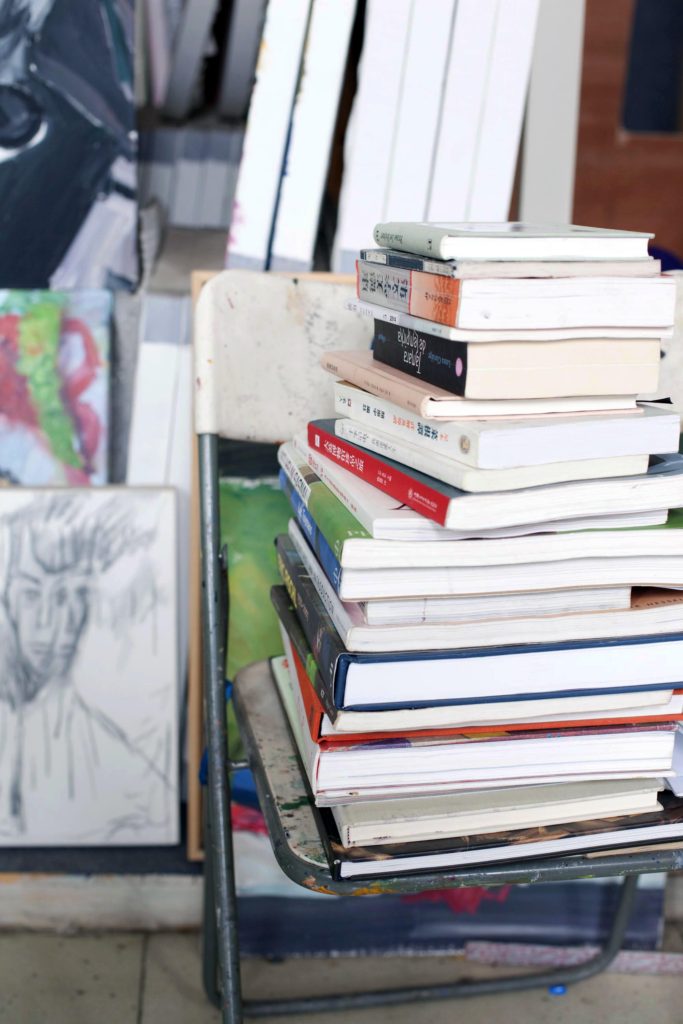
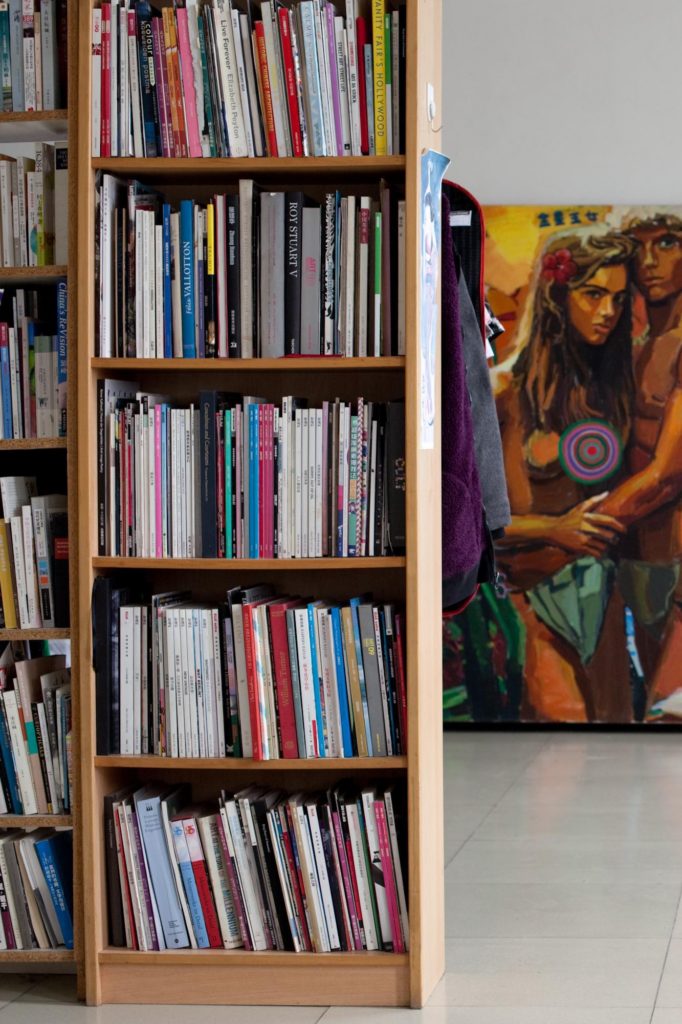
-I was a teenager who liked western art, that’s why I traveled to Germany in 1998, to study at the Düsseldorf Art Academy. I was interested in contemporary photography, particularly on the Photography School trend from there. Perhaps because I come from an artists’ family I really enjoy art history, I have visited many galleries, museums and art bookstores in Europe and here, and I have a strong influence on modern art, from Cézanne to Cubism, from Van Gogh to de Kooning. I am also interested in Chinese folk art, not particularly the culture of «red» China, political pop, I am interested in the ancient culture that we leave behind because I feel that it is stronger, even now, that it is hidden. Today it is easy to travel the world, or live in two or more countries, the art is really muticultural, so I try to show that in my works. I am an artist between two cultures and I need to explore the point where they meet.
-How is it your daily life in Düsseldorf ? Is it similar or different from China’s?
-When I was in Düsseldorf as an art student, almost everyday I went to paint in the classroom, on weekends, after finished study I used to visit museums and galleries . Then I got an artist visa, so I worked in my home and prepared for the shows. I lived with my paintings, watching them again and again, thinking over and over, feeling unhappy, but in time feeling better. AlthoughI admit that with time I began to feel better, I need time …. for everything. Here, since Songzhuang is far from Beijing city, it’s not very easy to get to 798 to see exhibitions or join lectures. I mean, I’m in some isolated situation.
-So, nowadays your daily life in Dusseldorf is very similar to your life in Songzhuang…
-Me, my personal life is similar, but the Chinese and the German societies are very different.
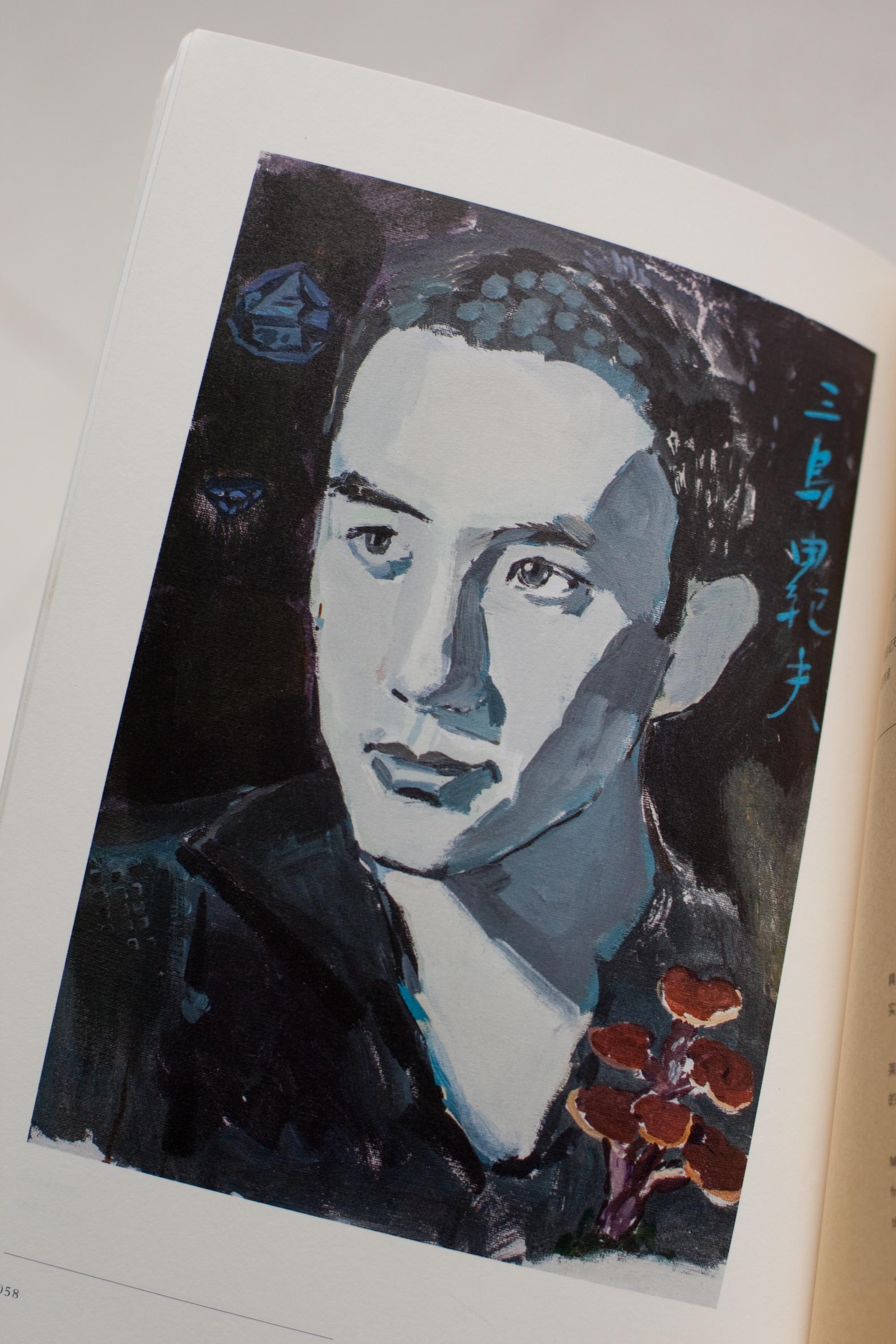
Mishima Yukio, the legendary japanese writer. I bought this postcard in a German bookstore in 2012. It is one of those 100 postcards of writers by Phaidon.<br /> His attractive gaze was outlined with gray lines. I put diamonds shining in the upper left corner. I wrote Mishima Yukio according to his signature style, and finally I painted a brilliant gardenia.
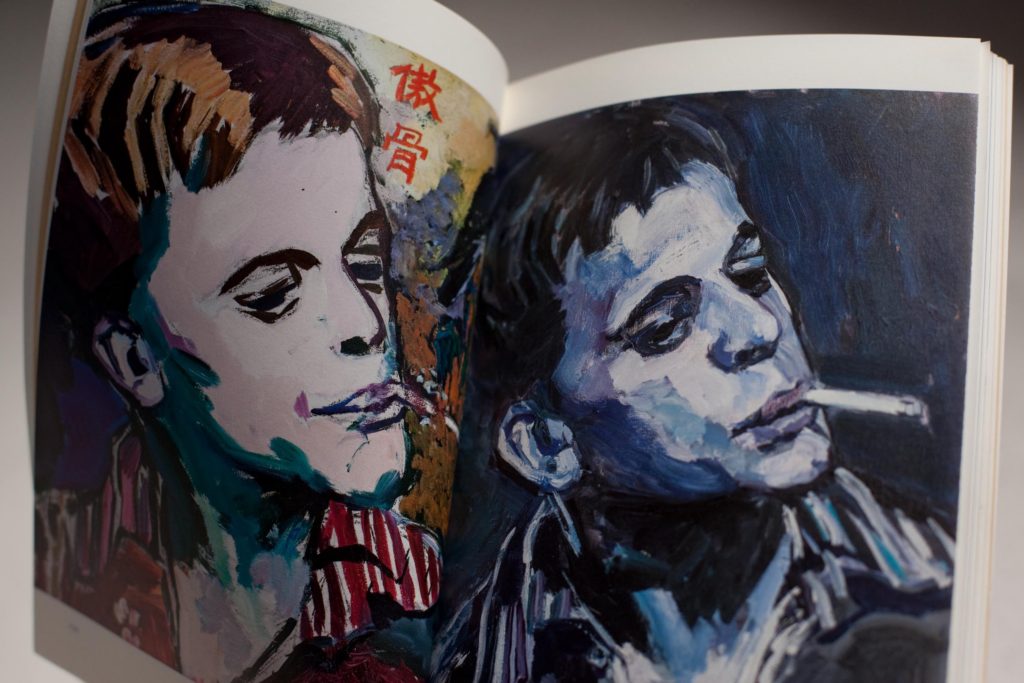
Klaus Kinski, the famous German postwar actor. I found his picture on a website and when I saw him with the cigarette hanging in his mouth, the collar of his shirt open and that cunning look he reminded me of Leslie Cheung, the Hong Kong movie star. The way I painted it is influenced by the French painter Bernard Buffet.
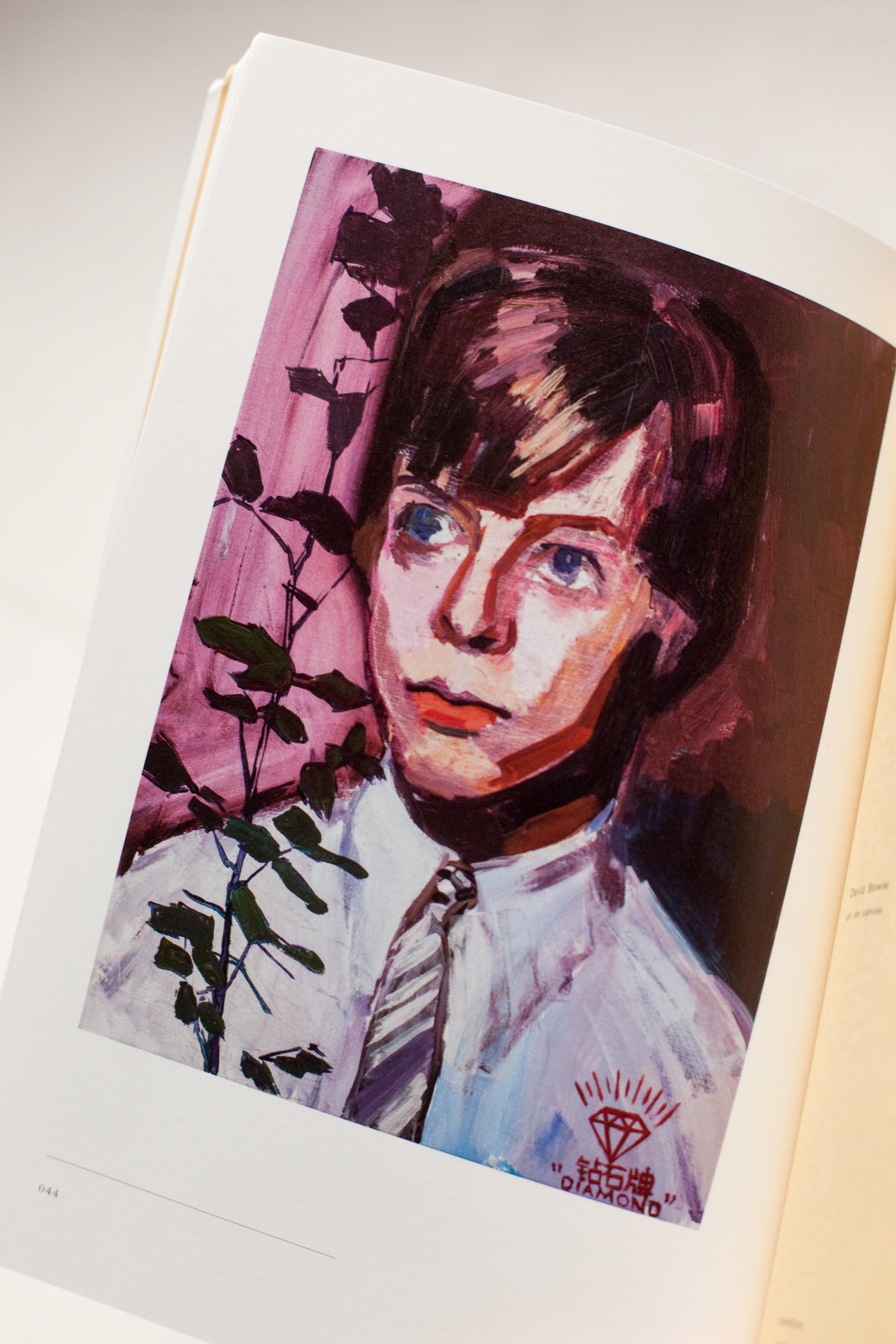
David Bowie. I saw the cover of the German art magazine Monopol, there it was the British rock star with his blue eyes, wearing a tie and white shirt. There was a certain lack of expression on his face, it looked weird. Based on that photo I did a work just with line, but I felt it was a bit monotonous so I left it aside. One day, by chance, the shadow of a plant in my studio was projected on the work, so I painted those leaves on the left margin vertically and then I added the logo of «Diamond», a 60’s Chinese brand.
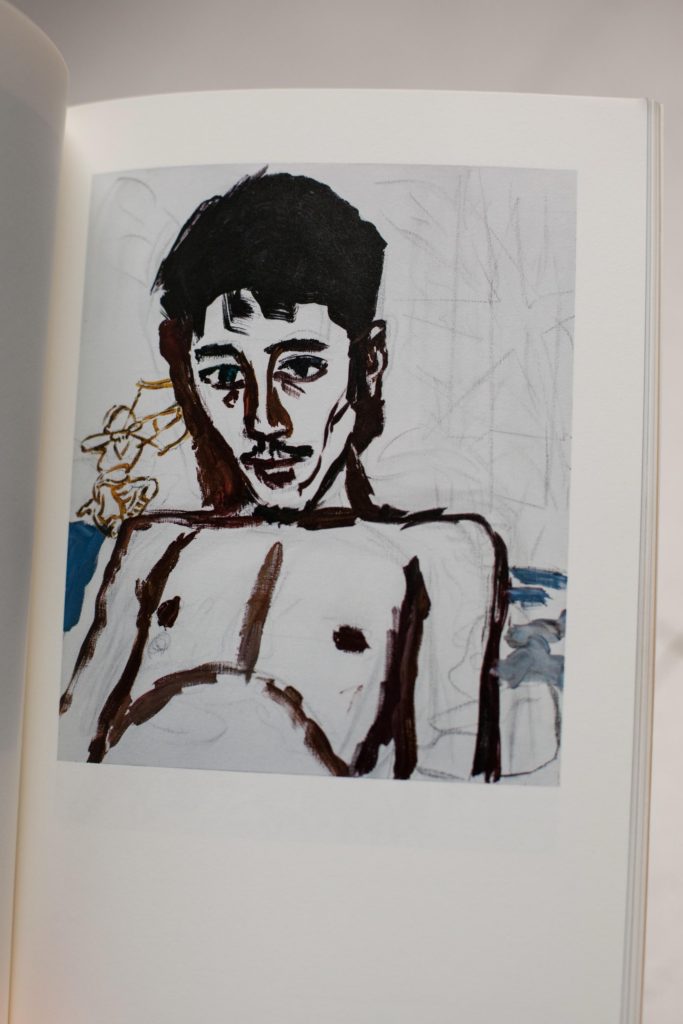
Latin man and Dunhuang hunting
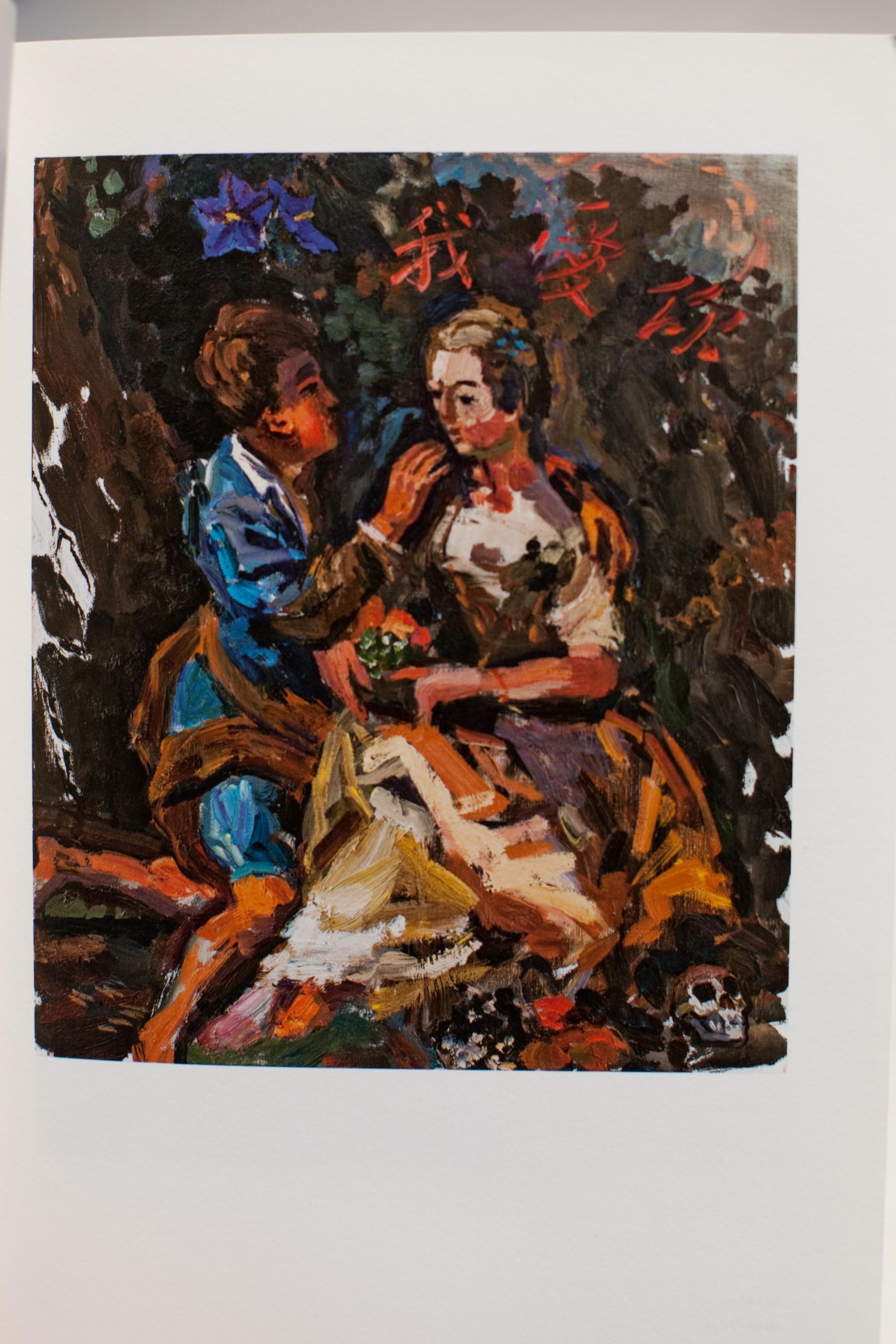
I love you mon amour
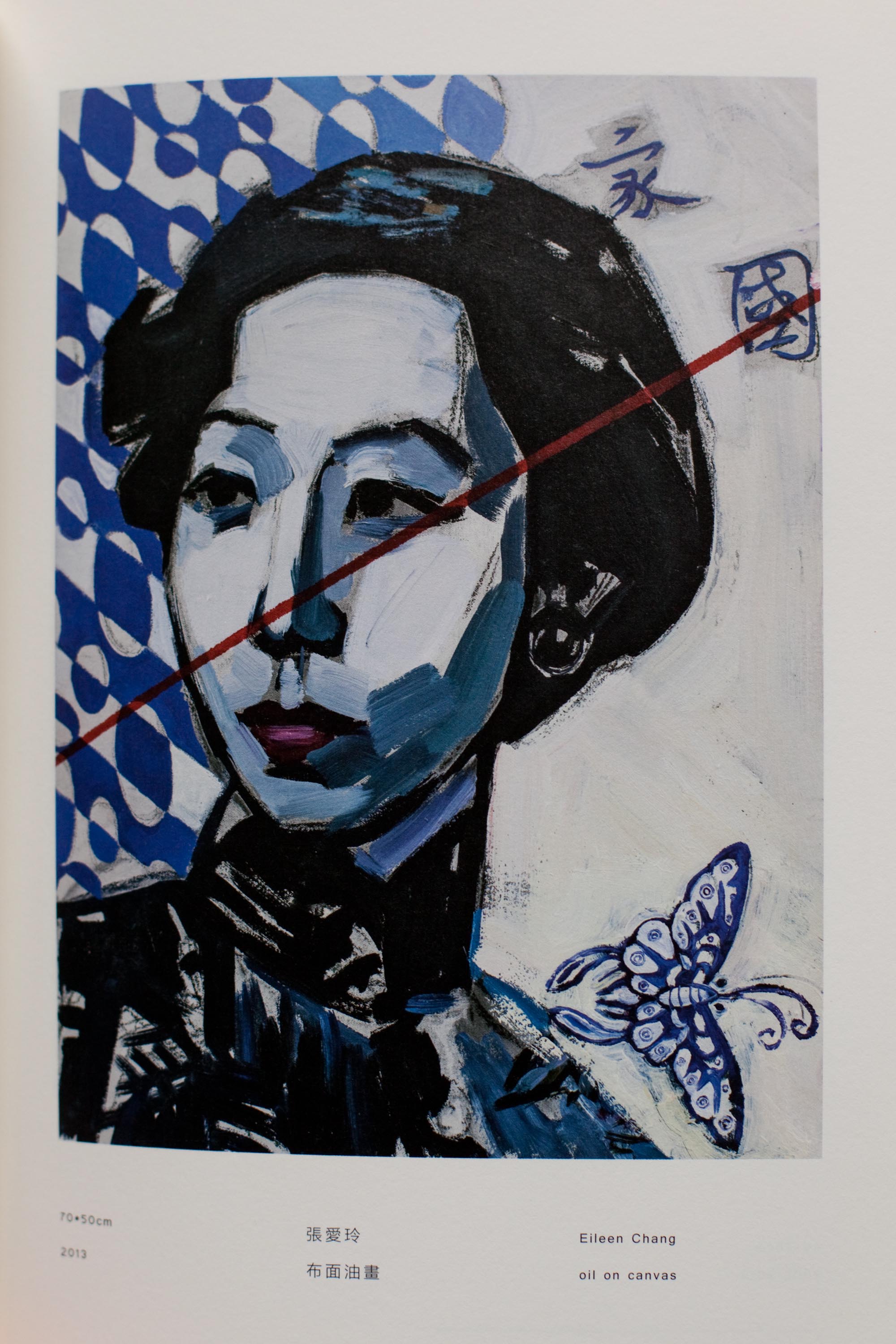
Eileeng Chang
-Would you like to tell us about your future projects?
-Yes, I will be on Art Beijing 2016. Also, I’m preparing a solo exhibition.
-Anything else you want to tell me?
-I am happy I had this interview with you. There’ll be nice memories with you in Songzhuang. I wish you good in Argentina.